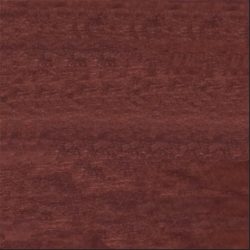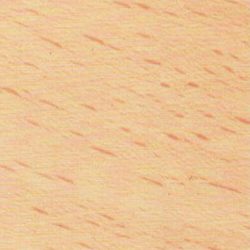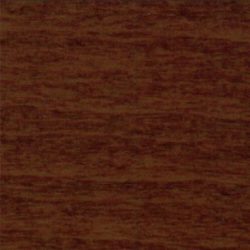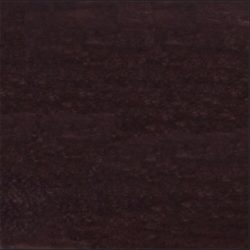

The table top is the surface your guests touch, your staff wipe forty times a day, and your bus tubs bang into. It is also the easiest thing to get wrong, because the samples all look good on a desk and the differences only show up after a year of service. Here is what each material actually does in a commercial room.
Stone and stone-look surfaces
- Sintered stone — a porcelain-based surface fired at very high temperature. Non-porous, will not fade in UV, and resists heat and scratching better than almost anything else you can put on a table. The premium choice, and the one that holds up outdoors.
- Engineered quartz — non-porous, so unlike marble or granite it never needs sealing and will not drink up wine, coffee or oil. The pattern is engineered, which means it stays consistent from table to table across a room. That consistency matters more than people expect when you are buying forty tops.
- Granite — natural stone with real depth and variation. Hard and heat-resistant, but porous, so it needs periodic sealing.
- Marble — a look nothing else quite reproduces. Porous, and it will etch with acids. Specify it for rooms that accept a patina, not rooms that need a surface to stay pristine.
- Faux marble — the marble look without the porosity, the weight or the price. A practical choice for rooms that want stone and cannot maintain it.
Laminates
- HPL (high pressure laminate) — several layers of resin-saturated kraft paper fused under heat and pressure. Much tougher than standard laminate, with good impact and moisture resistance.
- Commercial laminate — the value workhorse: light, easy to replace, available in a wide range of looks, and simple for staff to clean. When a top gets damaged you swap it rather than refinish it, which for a high-turnover concept is a feature, not a compromise.
Wood
- Butcher block — solid hardwood staves glued into a slab. Warm, repairable and sandable, so a scratched top can be refinished rather than replaced. That refinishing cycle is the reason wood can outlast surfaces that look tougher on day one.
- Planked solid wood — wide solid boards, often with a live edge, for rooms where the table is meant to be a feature.
One hard rule: wood belongs indoors, in conditioned space. Our warranty excludes wood used outdoors or in non-conditioned spaces, and that exclusion exists because the failures are predictable.
Metal and specialty
- Stainless steel — the most sanitary surface available, and the one that shrugs off heat and chemicals. Specified for back-of-house, healthcare and industrial-look rooms.
- Powder-coated aluminium slat — rustproof and light enough for staff to reset a patio quickly, which is what makes it the default for pool decks and coastal terraces.
- White gloss epoxy over an MDF core — a seamless, easy-to-clean surface with a high-gloss finish.
The base is half the decision
Weight is the thing people forget. Stone, quartz and solid butcher block tops need cast-iron or heavy steel bases, and anything 30" x 48" or larger usually needs a bar-style or double-pedestal base rather than a single column. An undersized base is the most common cause of wobbling tables in a dining room, and it is not fixable after delivery. Browse table bases, or order top and base together as a complete table.
Remember the top adds its own thickness to the finished height. A 1¼" quartz top on a 28.5" base gives you a 29.75" table.
Outdoors, narrow the list
Sintered stone, powder-coated aluminium and marine-grade polymer handle year-round exposure. Laminate, wood and most stone do not. Add weighted or bolt-down bases, because wind moves tables long before it moves chairs, and locate any umbrella holes before production — they cannot be added after.
Ordering notes
Tables ship with tops and bases separate, with hardware provided, for the customer to attach. Specify levelling glides and check them at install; almost no restaurant floor is truly flat. Standard production runs 14–20 weeks with rush to 8–10 weeks on many items, and in-stock quick ship tops leave in 2–3 business days. Minimum order is typically 4 pieces, smaller orders considered on request.
Related guides
Table sizing and bases · How much space per seat · ADA heights and clearances
Comparing two surfaces? Contact your local sales rep or a project manager or administrator in our office. Tell us the concept and the traffic and we will tell you which one survives it. Browse the range under commercial table tops.
Ready to spec your project?
Tell us what you are furnishing. We will send pricing, finish options and samples, and connect you with your local Designform rep.
Request a Quote / Samples